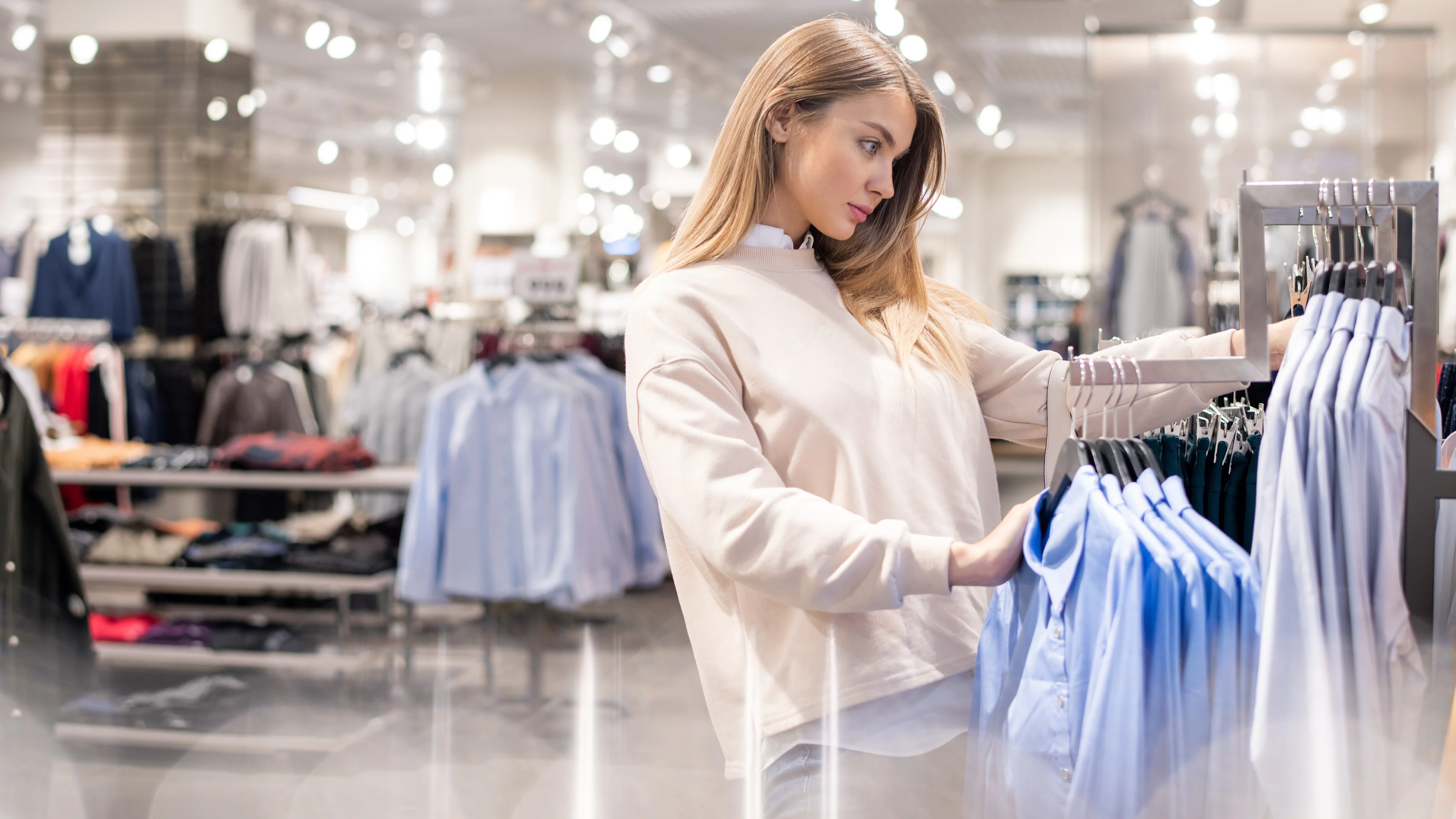
How a department store chain optimizes its inbound transportation operations with Uber Freight
Company snapshot

Profile
Industry: Retail
Size: 10,000+ employees
Location: Charlotte, NC

Overview
A department store chain with nearly 300 locations across the southern US. The company offers a wide selection of apparel, shoes, accessories, beauty products, and home goods.
How a department store chain optimizes its inbound transportation operations with Uber Freight
In 2019, a department store chain was up against some major headwinds, brick-and-mortar stores were experiencing high rates of store closings and facing pressure to evolve amidst the rise of online shopping. The company had just become a partner with Uber Freight to help optimize its inbound transportation operations.
Then, the pandemic hit. Rather than cutting ties with its logistics provider to chase short-term savings, the department store stuck with Uber Freight to weather the storm. The team knew they needed a trusted partner to help protect service levels during this uncertain time.
That need for stability hasn’t gone away. As the retail landscape continues to shift, from evolving consumer behavior to tariff-driven sourcing changes, the company relies on Uber Freight to navigate ongoing cost pressure, maintain high service levels, and continuously optimize its inbound network.
Opportunity
Meeting service demands without increasing costs
When the department store first began working with Uber Freight, it was facing persistent service issues on inbound loads. Shipments were often delayed, causing carriers to miss delivery windows, leaving stores with missing inventory. For a retailer navigating tight margins, seasonal demand swings—and today, evolving tariffs—even small disruptions could have an outsized impact on sales and store operations.
The store needed to maintain high service levels without increasing costs. The team put their trust in Uber Freight to help drive on-time in-full (OTIF) performance and reduce spend.
Solution
A full-service partnership powered by data and expertise
When the partnership began, Uber Freight assessed the store’s entire inbound transportation program. Backed by data and insights from the Transportation Management System (TMS), the Uber Freight team looked for opportunities to consolidate orders, right-size modes, and streamline execution to create the most cost-effective routes.
That foundation proved critical during the pandemic years. As unpredictability surged and retail networks were under pressure, Uber Freight helped the retailer maintain service levels and control transportation spend by providing stability during some of the most challenging years for the industry.
Today, Uber Freight’s managed transportation team continues to support the store by providing order-to-cash support for all inbound freight to distribution centers. As orders flow into the TMS, Uber Freight analyzes the data to create the most efficient shipments, tender loads, and monitor performance. The retailer’s lean transportation team is fully supported by Uber Freight’s engineering and procurement resources, including LTL RFP events that use network data, and automated benchmarking to source reliable carriers faster and secure competitive rates.
The partnership also includes annual logistics engineering value assessments, as well as monthly and quarterly business reviews to find opportunities for network efficiency, such as mode conversions, rate benchmarking, and LTL pooling. Uber Freight’s recommendations for the department store focus on consolidating LTL into truckload where feasible, expanding intermodal when it supports business goals, and continuously improving payload utilization.
Beyond day-to-day support, the Uber Freight team acts as a critical risk-mitigation partner for the department store. In one instance, Uber Freight’s risk and fraud program flagged a suspected driver-identity issue before pickup. The team notified the company, the facility, and local law enforcement to prevent a potential cargo theft.
Results
Spending less without compromising service
With an intentional mix of LTL, truckload, and intermodal rail, Uber Freight has helped the department store shorten lead times on qualified lanes, reduce transportation spend, and advance its emissions goals. The reliability that was first tested during the pandemic fuels ongoing gains in cost and service. The retailer has saved $375,000 dollars on transportation and has increased OTIF performance to 90%.
Uber Freight continues to provide the engineering, operational, and client engagement capacity the company needs to operate efficiently, especially as tariffs, sourcing shifts, and seasonal peaks impact retail logistics. Their team values that Uber Freight responds quickly to inquiries or challenges with recommendations that reflect both their business and the realities of the broader market.
Uber Freight has become a critical extension of the department store’s business. The partnership allows them to reduce operational overhead, improve OTIF performance, and deliver sustained cost savings—without compromising speed or customer experience.