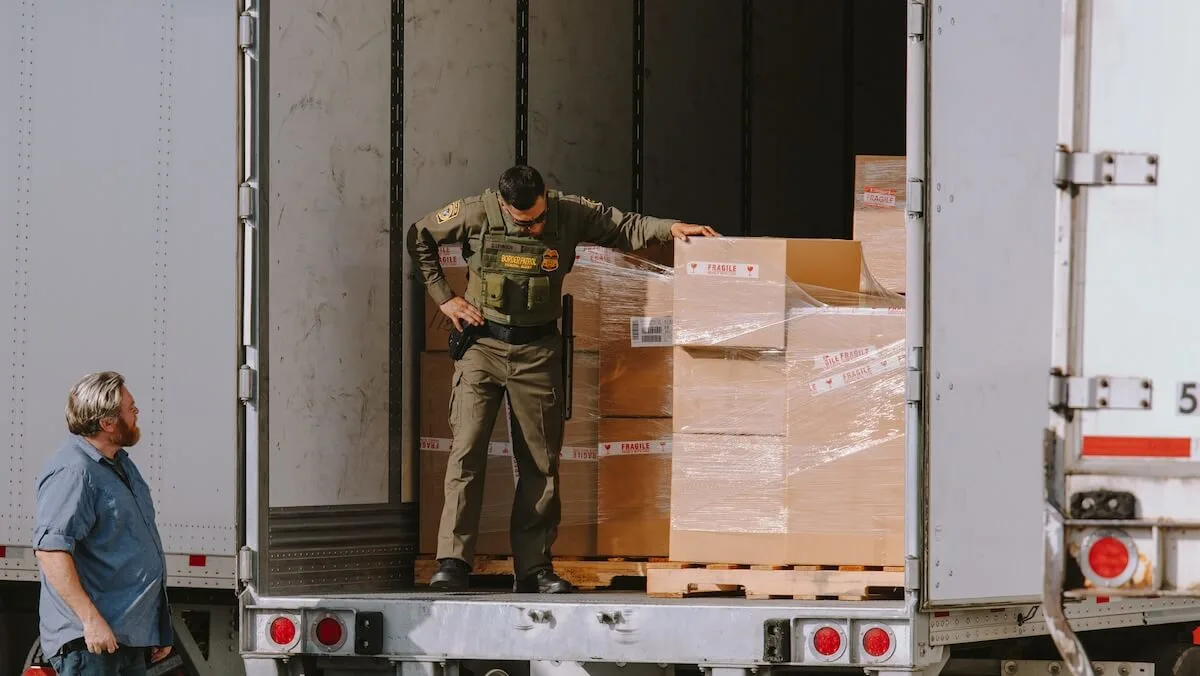
Transloading isn’t a workaround anymore, it’s network architecture
For years, transloading was an emergency measure. A B1 driver fell through, a load got stuck at the border, and shippers scrambled for a cross-dock that could get the freight moving again before a customer noticed. It was a patch, not a plan.
That’s changed. Over the past year, transloading has shifted from an emergency workaround into something shippers deliberately design into their networks from day one. It isn’t a reaction to a rough patch. It’s a structural response to a labor pool that isn’t coming back the way it was.
Why the B1 pool is shrinking, and staying that way
Between April 2025 and April 2026, roughly 20,000 B1 drivers, the pool that picks up in Mexico and delivers in the US, lost their visas. Another 5,000 or so have lost theirs since, mostly due to English proficiency requirements. Some of these drivers may requalify over time, but losing a visa is hard to come back from, and in the meantime that capacity isn’t paused, it’s gone.
Meanwhile demand is moving the other direction. Mexico just posted its largest trading month with the US on record in July. Growing volume is running into a shrinking pool of drivers who can legally haul it, and that gap won’t close on its own, nor will a rate increase fix it.
There’s a second wrinkle: the imbalance between northbound and southbound volume. Southbound loads run lighter than northbound, so B1 drivers either deadhead back into Mexico and pass that cost along, or shippers need to actively find southbound freight to fill that capacity. Shippers who want to keep B1 drivers viable in their network long term should look hard at whether they have southbound volume to route through them, one of the few real levers left to stabilize a pool under structural pressure.
What we saw in Laredo, three times, in one year
The market saw three major stress tests in 2026, all in Laredo. Each time, shippers fully reliant on B1 drivers got stuck with backlogs of 30, 40, sometimes 50 loads when that capacity wasn’t there. Shippers who had already built transload capability absorbed the disruption. The ones who hadn’t, didn’t, and it showed up directly in their service levels and their customers’ inboxes.
This isn’t hypothetical risk. It already happened, three times, in one border city, in one year.
The reframe: transloading adds capacity, it doesn’t replace it
If a product can transload, it can also run through trailer. That means transloading isn’t a tradeoff against existing through-trailer capacity, it’s incremental volume added on top of it. The shippers getting this right aren’t treating it as either-or. They’re building both capabilities, putting the right controls around the warehouses and cross-docks they use to protect product integrity, and making the cost-versus-service call lane by lane. Often, they don’t have to choose at all.
This is also diversifying geographically. El Paso has come up in more conversations this year than in any prior year. Shippers are recognizing that spreading transload capability across multiple border points, rather than concentrating it in Laredo, builds more resilience when any single crossing gets stressed.
What to do before 2027 planning locks in
Three concrete steps for cross-border shippers to take now, while the market is relatively stable:
Map your network lane by lane. Mark what has to stay sealed in a single trailer from origin to destination, and what could realistically move through a transload point without compromising product integrity or service.
Track the regulatory signals. English proficiency enforcement, CDL school closures, and visa processing changes are leading indicators of where B1 capacity is headed next. Watching them closely means seeing capacity shifts coming before they hit your routing guide.
Build the relationships and warehouse controls now, while it’s a deliberate choice rather than a reaction to a 48-load backlog. It’s easier to have the option and not need it than to need it and not have it.
The shippers who come out of 2026 in the strongest position on cross-border freight won’t be the ones who found one perfect workaround. They’ll be the ones who stopped thinking of transloading as a workaround at all, and built it into how their network runs.